A writer’s dilemma: Motivation

Someone in a writer’s group posed the question – Does your main character need to have an intense motivation for something? What does your character want? The Op’s dilemma was that her character didn’t want anything – until the end.

It seems to me lack of clear motivation means the character is on a journey of discovery. Perhaps the character is running away from something rather than running to something.

That’s perfectly legit and quite good as long as the ultimate goal is hinted at along the way. We need that trail of breadcrumbs. The end goal shouldn’t seem like something pulled out of thin air. In the end, the reader should feel that what the character finally wants makes sense, given their history.

My characters have strong goals. In A Misalliance with Love, Rosie needs a home and family but has a burning, almost crippling desire for independence. Sinclair Talbot wants validation and esteem.

In my next book, Guinevere wants family, stability, and appreciation. The Duke wants hope and love.

Characters are motivated by their desires even if they do not yet know what those desires are.

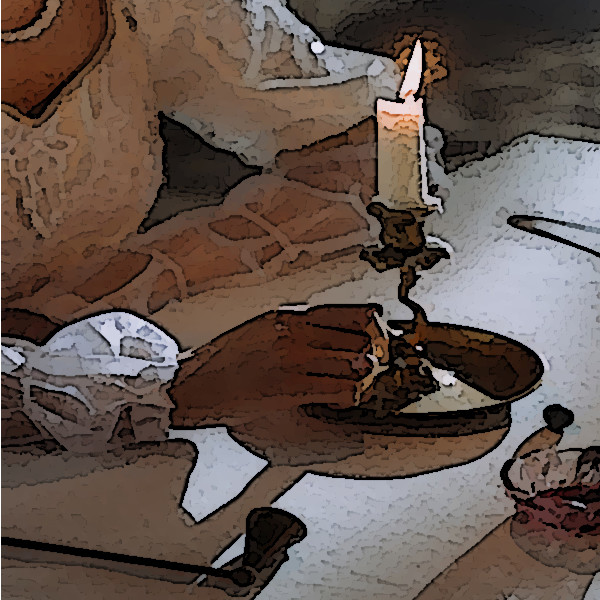
Rosie and Sinclair must talk-A Misalliance with Love.

Rosie sat by herself in her favorite armchair by the fire with an unopened book in her lap.

She had hoped he would grow to like her. Instead, he had burst in talking about bills and people visiting her when he had never shown any interest in what she had planned. He never asked her how she would staff the house. She had tried to keep him informed about the modifications.
Rosie took a sip of her port, feeling the warmth spread through her body. She had been dreading this conversation since they sat down in the library, but she knew it was necessary.

A Misalliance with Love

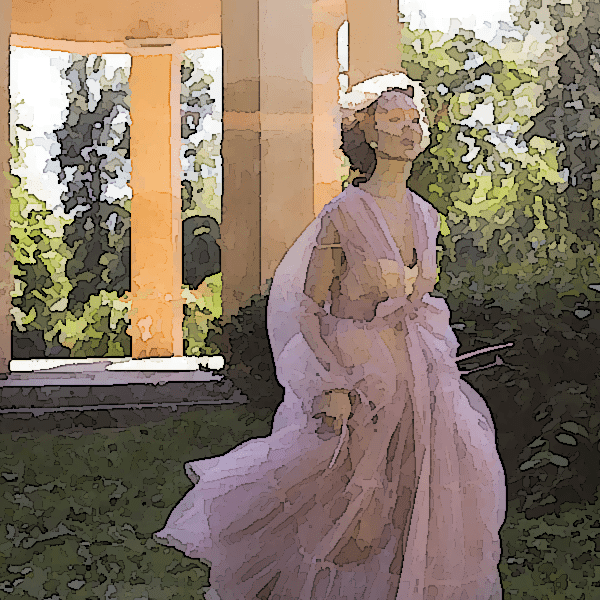
Rosie’s thoughts-A Misalliance with Love

“Rosie knew that she had said some things to him in anger, things that she regretted now. When she had asked him to leave her alone, she had not meant it in the way that he had taken it. But it seemed that he was too proud to reach out to her or too ashamed of her to even consider trying to make things right between them. She knew that he would never have chosen her as a wife if it were not for the horrible incident at the Sunderland Ball . . .”

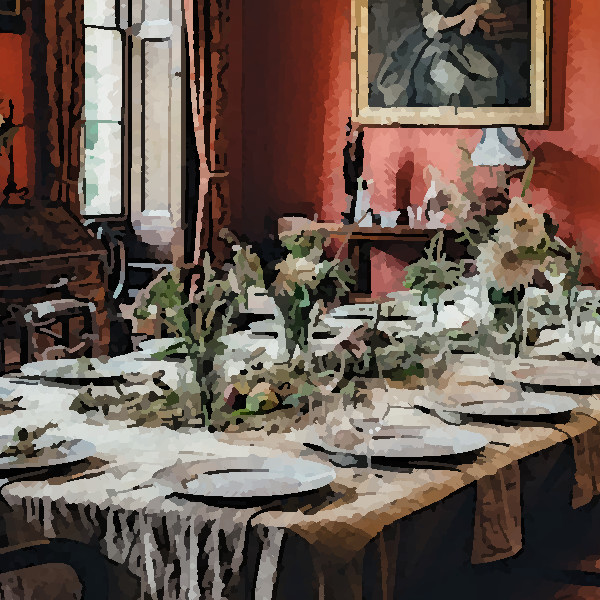
Dinner scenes make me so hungry!

One thing I’ve noticed in historical romance novels is that the female main character rarely has a healthy appetite. Why is that? An author can describe a meal where course after succulent course is brought to the table, yet our heroine either has no appetite or has quickly lost it and ends up pushing food around her plate. Don’t these scenes make you hungry?

I confess that when I read these passages, I cringe. I want her to eat to her full and savor every bite and forget all the silly conversations that make her so nervous. Gorge yourself, girl!

Instead, she picks and prods at her food, sometimes not taking a single bite of a meal that sounds heavenly. This is the norm.
Just another little detail I never fail to notice.

I wanted more Figaro in the story!

“Figaro’s attention quickly shifted to the miniature wooden horse he had found in the nursery. He nudged her side in a gentle demand for attention, and she dropped to the floor beside him, the skirt of her pale green day dress billowing around her. Laughing, she attempted to wrestle the toy from his jaws.”

Excerpt From: Dee Harper Lewis. “A Misalliance with Love.”

Published this week!

Neither of them welcomes the attraction they feel, and a marriage is out of the question—until one fateful night. They are worlds apart yet are a lot more similar than they realize, and must find a way to reconcile their different dreams and create a life together.

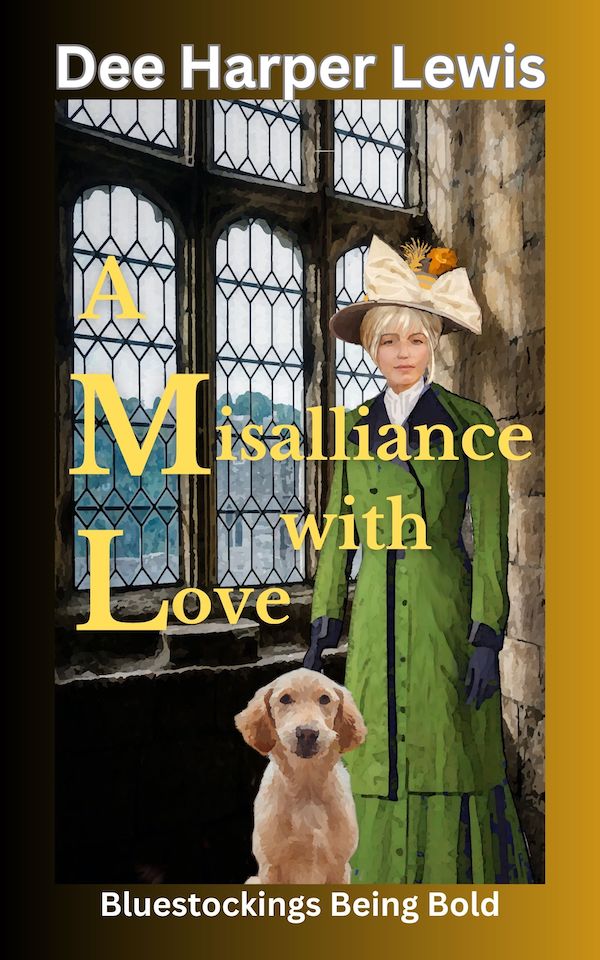
A Misalliance with Love was published on Amazon on July 1! YAY! It’s in the historical romance genre, about two people who are forced into marriage. The marriage kills their initial attraction because they think they are incompatible in temperament and ambitions. They are more alike than they realize and have quite a journey discovering this.

Summary: Rosamund Percey aspires to be a working woman and dreams of writing and illustrating children’s books. While she desires marriage eventually, she first wants independence. Meanwhile, she attends debutante balls and garden parties with her friends, catching the attention of a handsome but stodgy Marquess named Sinclair Talbot. Sinclair seeks a traditional wife to redeem his family name and support his diplomatic career, but he is drawn to only one debutante. Despite their initial resistance, a fateful night brings them together. They embark on a journey of discovery and must navigate their dreams to build a life together.

I like to travel – and my characters will too.

I have an insatiable wanderlust, as do the characters I create. Traveling is an escape from my ordered and sometimes constraining life, allowing me to immerse myself in the unexpected. It’s the thrill of witnessing the lives of others and stepping out of my comfort zone.

When I travel, I seek out good food, good wine, and the joy of discovering new destinations. Navigating through unfamiliar territories, I embrace local festivals, find local guides, and sleep in unusual places like a desert under the stars, a village hut, or the deck of a boat. I believe in sharing meals and breaking free from the isolation of anonymous cities, knowing that the rest of the world is not like that.

Traveling means turning my back on my comfort zone and embracing change, novelty, fears, and the beauty that exists in both man-made and natural aspects of life. It’s about finding art everywhere and returning home to books and brunches with friends. I let the wind guide me, constantly seeking challenges that make me feel brave. People-watching becomes a source of inspiration, yet finding the most peaceful places on the planet brings me a profound sense of tranquility.

Even when the unexpected happens, like a friend breaking their arm on vacation, we patch it up and continue our quest for the perfect beach. Travel evokes a mix of emotions – nostalgia for the past and excitement for the future. It’s a journey of progress, where disappointment in famous landmarks can be balanced by the excitement of overlooked gems.

And in the end, after all the wanderlust, there’s a special feeling of coming home, cherishing the familiar and reflecting on the memories created.