
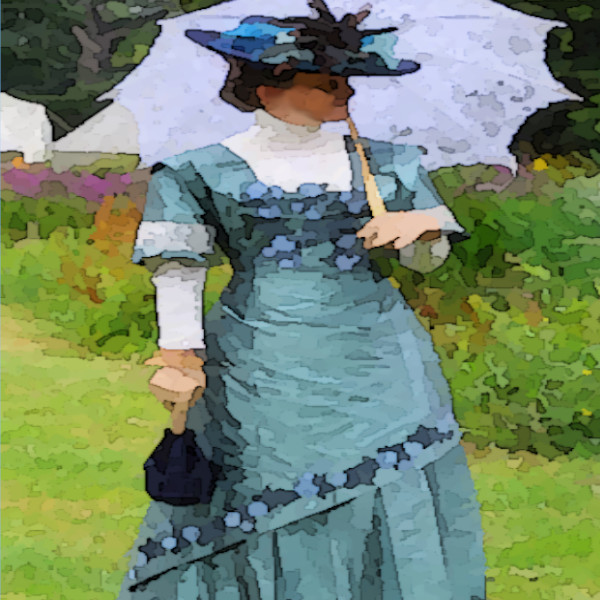
In one of my writer’s forums, the topic was- how much description does a reader want? The questioner disliked descriptive detail unnecessary to the plot, preferring to let their own imagination build the scene and populate the character attributes.
I found this very interesting, and the commenters to this post either loved as much detail as possible or wanted the description at a bare minimum. Readers do have their own preferences that are not met by the writer.
I confess I love descriptions! They set the scene and fix the main characters in my mind, particularly if the details offered are important to the story. Description allows us to see the character’s or the author’s vision. If we strip it down too much, the reader will build their own world.
I enjoy detailed descriptions of minor characters that help to form an opinion of them. Is the character a stately older woman rather than greying and tired, or is she small and frail? Does the man show signs of dissipation through his sallow skin and ruddy nose or drooping eyes? Does a debutante have jewels laced through intricately styled, gleaming hair versus the untidy bun with curls escaping their pins? Are their clothes new and fashionable, or have they been altered from hand-me-downs? These details are important to build the character.
What the environment looks like is important, too. Sometimes descriptions will let you see the scene through the eyes of your character. Is the house tidy and kept clean by many unseen hands? Is the furnishing old and musty? I probably under-describe in my writing, resisting the urge to tell everyone what I am seeing in my imagination down to the last detail. This is the dilemma.
In A Misalliance with Love, the state of Sir Gaylord’s house is important to illustrate his character. While the main character, Rosie, is refurbishing her house, and there is a lot of description which illustrates the fact that she is starting from scratch and building a home of her own. I resisted adding more description of that process and let Sinclair reveal it when he sees it for the first time. Later in the book, Sinclair sees his childhood home with fresh eyes as he gives Rosie a tour.
It is a matter of personal taste, and some of us want to know what flowers are blooming in the gardens and whether the manor house is shrouded in mist.
Four things are essential in a historical romance book, in my opinion: character, action, emotion, and ambiance, and I think all four should solidly build the scene. The ambiance is often neglected, I find.
In much of my writing, I give the reader the freedom to decide on the attire and physical appearance of many characters, presenting only essential details to enhance the setting and atmosphere. Is it too much or too little? That is for the reader to decide.

 DEE HARPER LEWIS