Popularity of the Arranged Marriage

Historical romance novels often feature wonderful tropes. The Arranged Marriage is one of my favorites, where characters are forced into a marriage for political or social reasons, leading to unexpected love.

There’s something about women being forced into marriage in times past that I find equally horrifying, angering, and fascinating.

It makes one wonder what we would do if we had so little autonomy that another person could direct our lives in such an egregious way.

One of the reasons I like this trope in historical romance is that the story arc can go in so many different directions. The heroine can begin hating her husband and gradually fall in love with him. She can try to escape the marriage by running away, aided by her true love. Some other noble hero can swoop in and spoil the marriage plan by rescuing her.

The heroine can try somehow to invalidate the marriage or foil her parent’s plot by making her fiancé withdraw from the contract, as was done in the latest season of Bridgerton. Cressida’s move to discredit herself was brilliant.

I recently read a fun historical romance in which friends of the prospective bride and groom foiled two different prospective marriages. That was a very unusual take on this very popular trope, and a lot of fun.
Of course, I had to try my hand at this. So, in my second novel, Marry Me, Duke, I decided that the arranged marriage would be orchestrated by the heroine, Ginny, rather than an authority figure. She arranges her own marriage in order to escape from a life of forced caregiving.
And, of course, there is resistance, and problems arise. A love between the couple grows, and there is a happily ever after. Marry Me, Duke is now on Kindle Unlimited; if you like this trope, you should check it out.

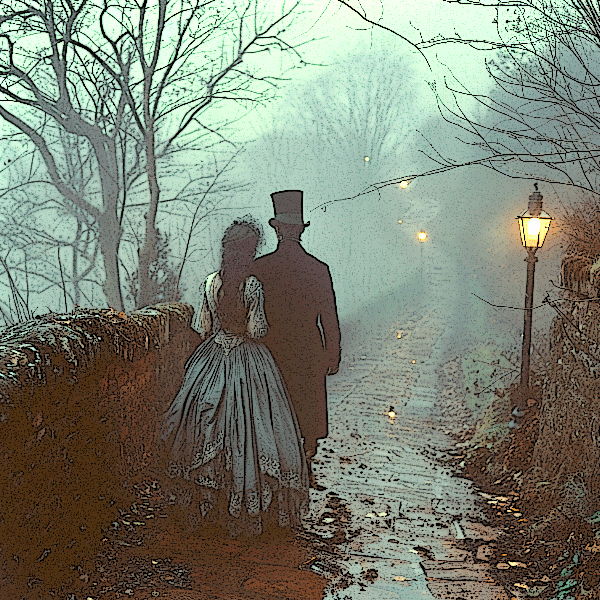
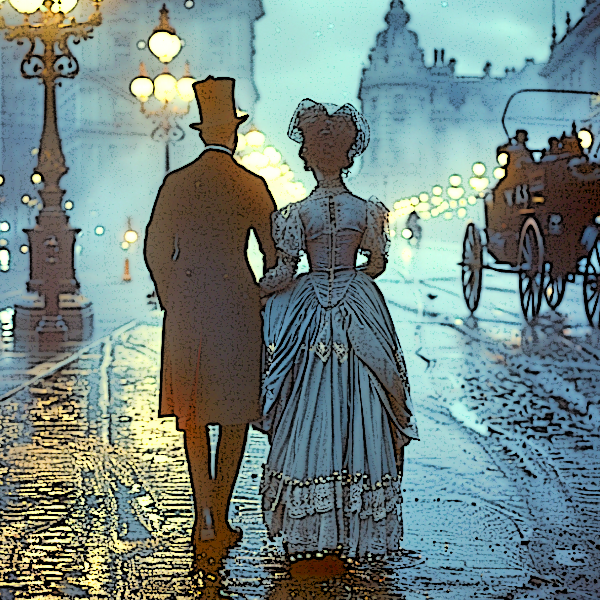
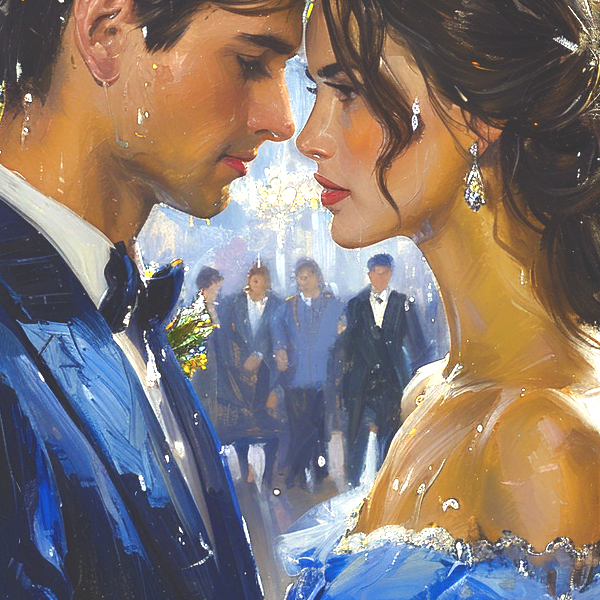
Image AI made by MidJourney

Excerpt from a deleted scene Marry Me, Duke

“He slipped the ring onto her finger, sealing their promise and giving her a light kiss, and then the pressure was gone, and her lips were cold from his absence.
As she walked out of the chapel, hand in hand with her new husband, he glanced down at her with that same impassive and steady look in his eyes. “It’s for the best,” he said, perhaps seeing her doubt. “I promise you. We will make it work.”
He sounded as though he were trying to convince himself, and deep within her being, she knew that Hugh’s love for her was fragile—if it existed at all. In that instant, a chilling realization struck her, unraveling the dreams she clung to—she was on the brink of a grave mistake.”

What makes a relationship romantic?

Respect: Mutual respect is key to a romantic relationship. Each partner should value and appreciate the other’s opinions, boundaries, and individuality.
My favorite historical novels are those where the main male character goes against societal norms in that he actually respects the main female character. If he admires and supports her, all the better. Yes, this is atypical for the time periods that I read and write in, but this is a trait that makes you absolutely fall in love with the hero.

What makes a relationship romantic?

Affection: Expressing affection through gestures, words, or physical touch helps maintain the romantic connection. Small acts of kindness and affectionate behaviors contribute to a loving atmosphere.
Affection is expressed in so many beautiful ways in historical novels. The casual brush against a woman’s hand, tucking wayward curl behind her ear, and gifts of flowers are very common in these novels and are fraught with meaning.

What makes a relationship romantic?

Quality Time: Spending meaningful time together strengthens the romantic bond. Whether it’s through shared activities or simple moments of togetherness, quality time fosters a deep connection.
Time spent together helps to build the romantic momentum in a novel. In historical romance, this is most easily done when the characters are thrown together during a house party. They have a legitimate reason to be around each other 24/7. During these scenes, the bonds can be formed at a very good pace, and the characters can easily be thrust into semi-intimate contact.

In my second novel, Marry Me, Duke, my main characters have a forced proximity that allows them to get to know each other well and go through their emotions while still maintaining proximity. In my first novel, A Misalliance with Love, the main characters spend much of their time away from each other, thinking about one another. Because of this, the emotional bond, perhaps, isn’t as strong. The novel ends with the promise of this bond and the chance to forge a connection.

What makes a relationship romantic?

Surprises and Thoughtfulness: Thoughtful gestures and surprises demonstrate that partners are attentive to each other’s needs and desires. It could be as simple as a heartfelt note, a surprise date, or a small gift.
This is such a sign of a true romantic, and it’s a pity that we don’t see more of it in historical romances. There’s plenty of flower giving but a few real surprises. I love it when the main male character knows that the main female character needs something or wants something very badly and makes sure that she has it, even if the gift is given anonymously. The best example of this is in ‘Sense and Sensibility’ when Marianne Dashwood receives the piano without knowing that it was sent by Colonel Brandon. That was very romantic.

How to Care for a Duke

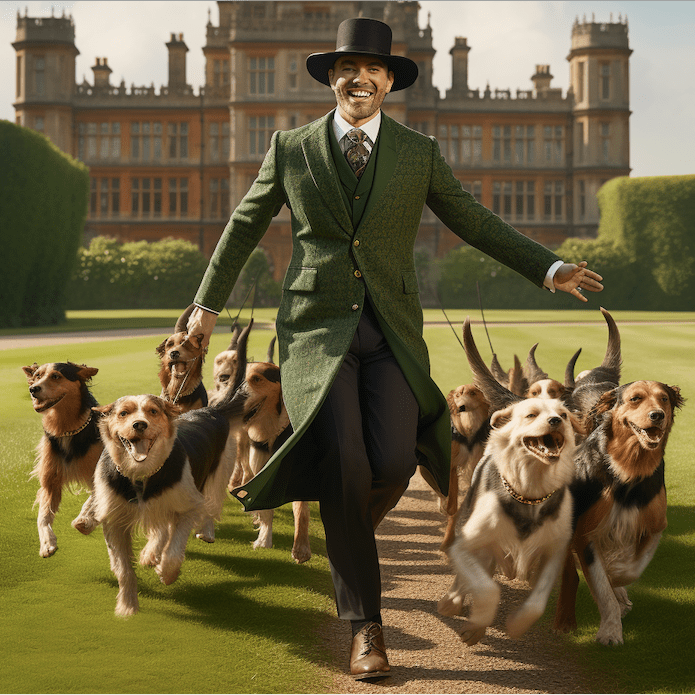
I’m giving you a picture from my mood board for How to Care for a Duke.

A Duke with a mysterious illness has many dogs and other animals and a will to live, especially when he falls in love with his bossy caretaker. I’m hopeful this second novel will be out in December.

Meanwhile, check out ‘A Misalliance with Love‘.

Image generated using AI Midjourney.

Sinclair’s Dilemma – A Misalliance with Love.

“The cool evening air soothed his raging mood as he left the House of Lords. He waved off his carriage and continued to walk towards St. James. The early evening was damp, and he turned up the collar of his topcoat. He had wanted to redeem himself in the eyes of society by working hard and showing himself, to be honest, serious, and reliable.
All of that was ruined now, and he looked like a fool. Like his father! Sinclair felt incensed at the unfairness of it all. He was not responsible for what happened but must do all he could to limit the damage. He must get Rosie to be a real wife, even if he had to go straight to Castle Holme and haul her back to London.”

Excerpt From: Dee Harper Lewis. “A Misalliance with Love.

Rosie and Sinclair – A Misalliance with Love

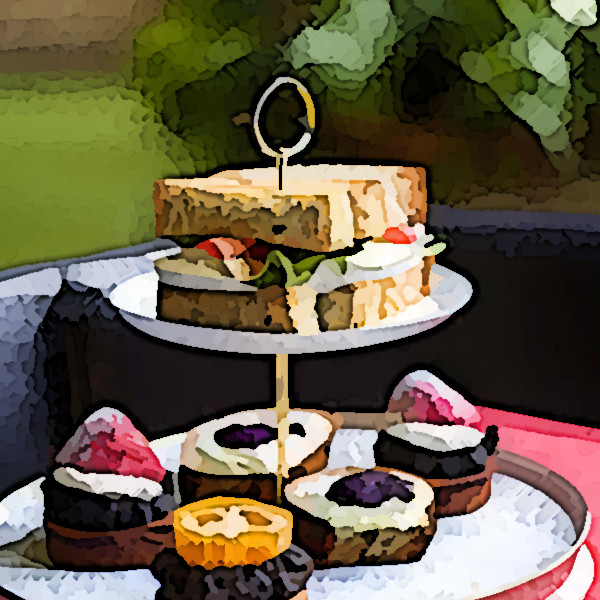
“He offered her his arm, and they descended the terrace steps to the long table where sandwiches and cakes had been set up. A footman handed them their cups, and Rosie tilted forward to survey the delicious food arranged on platters. She selected a cucumber sandwich and munched on it with gusto. He thought that her lack of refinement would not do her any favors, and she did not seem to be conscious of it—or to care.”

Excerpt From: Dee Harper Lewis. “A Misalliance with Love.”

A Misalliance with Love: Ely Cathedral

“The weather was perfect, with the sun shining bright and a cool breeze blowing. Rosie felt exhilarated as she kept pace with the more experienced riders, and they galloped through the vast expanse of marshy flatlands, the soft ground cushioning their horses’ hooves.

It did not take them long to reach Ely, and they stopped in view of the town to admire the grandeur of the towering cathedral, majestically rising above all else in the distance. ”

Excerpt From: Dee Harper Lewis. “A Misalliance with Love.”