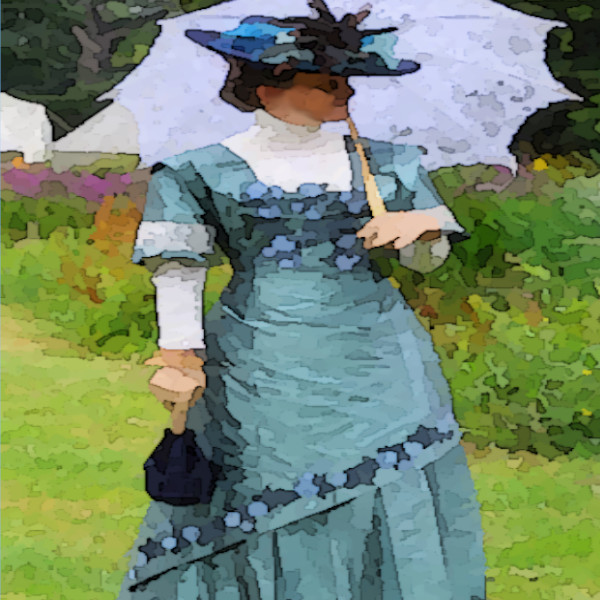
Figuring Out The Romance

When I’m reading or writing a romance, I always try to figure out why I do or do not consider the relationship between the main characters to be ‘romantic’. Sometimes a novel will miss the mark completely, opting for lust rather than romance.

I realize that there are certain things I consider deeply romantic that don’t necessarily fit into the usual romance novel tropes- the biggest being open and honest communication. This is crucial in any romantic relationship and in a novel, must happen by the end of the book, in my opinion.

Miscommunication is the main driver of most plots. I confess that in the books I love best, the romantic duo should be on the same side and facing adversity together. Yet, in my first novel, I chose to show a potentially romantic relationship thwarted by a lack of honesty. In A Misalliance with Love, miscommunication comes about because the romantic duo are blinded by their own views and needs. in Marry Me, Duke, the female main character is honest, even though her honesty can be seen in a bad light. Her love interest is keeping secrets and suppressing his love for her.

The ability to express feelings, thoughts, and desires fosters a deep connection between partners, and it does happen at the end of the novels.

Check out A Misalliance with Love and Marry Me, Duke – available on Amazon.

Image generated using AI MIdjourney..

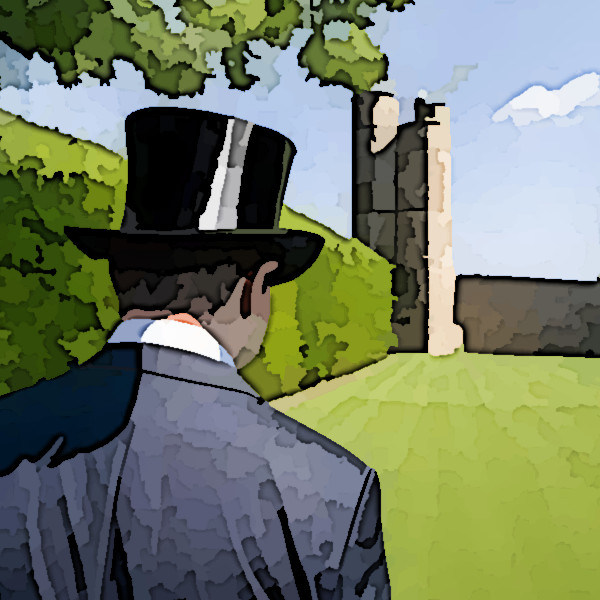
Sir Gaylord-A Misalliance with Love

“It was a dangerous game. One that required reckless confidence and one he was bound to lose sooner or later. He must have chosen his victims carefully not to have found himself up against an enraged husband before now. Well, he made a grave mistake choosing Rosie as his next victim.”

Excerpt From: Dee Harper Lewis.-A Misalliance with Love.

Image generated by Canva and digitally manipulated.

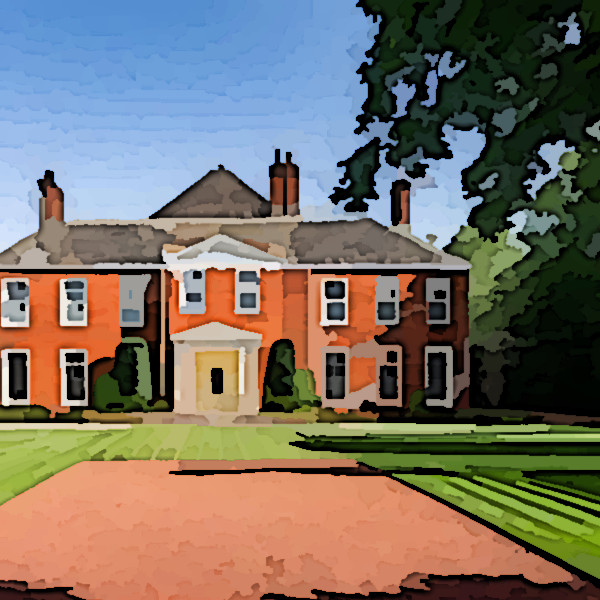
Approaching Sir Gaylord-A Misalliance with Love

“Gaylord’s was the type of grand country house built in the pleasing red brick style of the middle of the previous century. Sinclair had passed neatly tended formal gardens and spied numerous outbuildings as he approached the residence. The exterior was symmetrical, with a central front entrance and evenly spaced windows on either side. Modest in size but impressive, the home reflected the wealth and status of its owner.”

Excerpt From: Dee Harper Lewis-A Misalliance with Love.

Image generated by Canva and digitally manipulated.

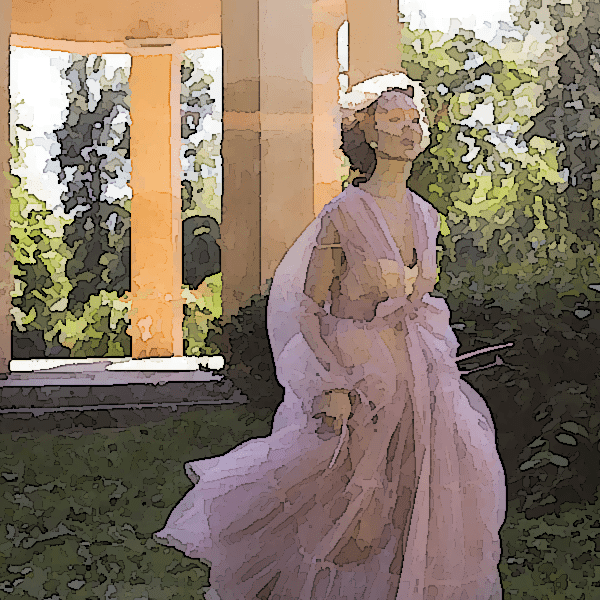
Temptation-A Misalliance with Love

“Gazing out over the water meadow and the reeds blowing in the gentle breeze, she picked up her brush. Dipping the brush into the water in her jar and then into a tiny cake of paint, she passed swift brushstrokes over the page filling in light and shadows on the face she had sketched. She glanced back at Philip under lowered lashes.”

Excerpt From: Dee Harper Lewis. A Misalliance with Love.

The Wedding-A Misalliance with Love

“After his eyes traced her movement down the aisle on her father’s arm, Alton seemed distracted and preoccupied, his attention wandering rather than focusing on the promise they were meant to share. Even when the exchange of vows and rings approached, his mind seemed elsewhere.”

Excerpt From: Dee Harper Lewis-A Misalliance with Love.

A writer’s dilemma: a true voice


An aspiring author posed a complicated question about writing in the English language when that is not your native tongue. They had a story they passionately wanted to tell and wanted opinions about the pros and cons of using Chatgpt or having an editor help ‘beautify’ the text.

What a dilemma! I do think the best approach is to publish in one’s own language first. The problem with using Chatgpt or even an editor is that the writing will likely end up flat and soulless. Whereas in one’s own language, the writer’s voice will come through.

I can not stress how important this is. People need to read more than pretty words.

After publishing in the native language, a good translator could be found to translate the book. An excellent translation will not come from Google Translate. A good translator will understand the nuances of the language and the hidden meanings. Artificial intelligence tools can never do that.


Write with passion and be true to your voice.

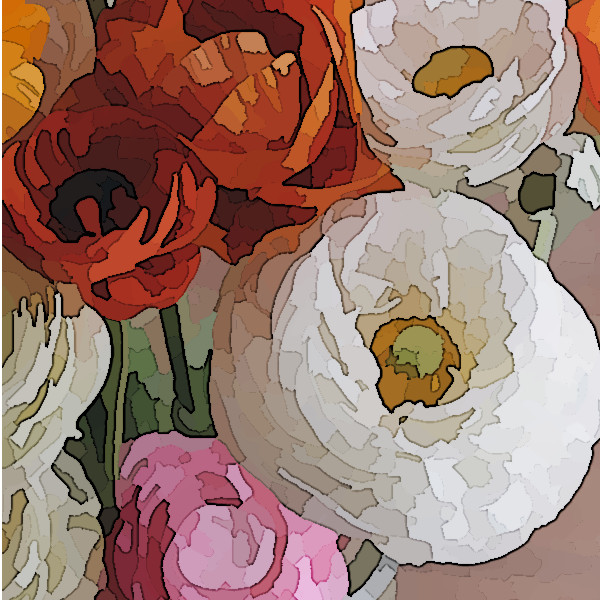
Sinclair sees Rosie for the first time-A Misalliance with Love

“His eyes swept the room, taking in the fetching bouquet of debutantes in their brightly colored afternoon party frocks. Their hues mimicked those in a garden—rose pink, mossy green, bluebell, lilac, sunflower yellow, and water blue. His eyes came to rest on the champagne curls of the girl sitting beside Lady Penelope Haverford.”

Excerpt From: Dee Harper Lewis-A Misalliance with Love.

Rosie and Sinclair-A Misalliance with Love

“After dinner, Rosie decided to introduce Sinclair to the intricacies of mahjong, and they laughed and engaged in friendly banter. Sinclair couldn’t help but notice how graceful her movements were as her slender fingers carefully placed her pieces. The wicked smile in her eyes and the champagne curls that escaped their pins and rested softly against her neck tempted him.”

Excerpt From: Dee Harper Lewis- A Misalliance with Love.

A writer’s dilemma: Motivation

Someone in a writer’s group posed the question – Does your main character need to have an intense motivation for something? What does your character want? The Op’s dilemma was that her character didn’t want anything – until the end.

It seems to me lack of clear motivation means the character is on a journey of discovery. Perhaps the character is running away from something rather than running to something.

That’s perfectly legit and quite good as long as the ultimate goal is hinted at along the way. We need that trail of breadcrumbs. The end goal shouldn’t seem like something pulled out of thin air. In the end, the reader should feel that what the character finally wants makes sense, given their history.

My characters have strong goals. In A Misalliance with Love, Rosie needs a home and family but has a burning, almost crippling desire for independence. Sinclair Talbot wants validation and esteem.

In my next book, Guinevere wants family, stability, and appreciation. The Duke wants hope and love.

Characters are motivated by their desires even if they do not yet know what those desires are.

Leaving it all to the imagination

In one of my writer’s forums, the topic was- how much description does a reader want? The questioner disliked descriptive detail unnecessary to the plot, preferring to let their own imagination build the scene and populate the character attributes. 

I found this very interesting, and the commenters to this post either loved as much detail as possible or wanted the description at a bare minimum. Readers do have their own preferences that are not met by the writer.

I confess I love descriptions! They set the scene and fix the main characters in my mind, particularly if the details offered are important to the story. Description allows us to see the character’s or the author’s vision. If we strip it down too much, the reader will build their own world.

I enjoy detailed descriptions of minor characters that help to form an opinion of them. Is the character a stately older woman rather than greying and tired, or is she small and frail? Does the man show signs of dissipation through his sallow skin and ruddy nose or drooping eyes? Does a debutante have jewels laced through intricately styled, gleaming hair versus the untidy bun with curls escaping their pins? Are their clothes new and fashionable, or have they been altered from hand-me-downs? These details are important to build the character.

What the environment looks like is important, too. Sometimes descriptions will let you see the scene through the eyes of your character. Is the house tidy and kept clean by many unseen hands? Is the furnishing old and musty? I probably under-describe in my writing, resisting the urge to tell everyone what I am seeing in my imagination down to the last detail. This is the dilemma. 

In A Misalliance with Love, the state of Sir Gaylord’s house is important to illustrate his character. While the main character, Rosie, is refurbishing her house, and there is a lot of description which illustrates the fact that she is starting from scratch and building a home of her own. I resisted adding more description of that process and let Sinclair reveal it when he sees it for the first time. Later in the book, Sinclair sees his childhood home with fresh eyes as he gives Rosie a tour.

It is a matter of personal taste, and some of us want to know what flowers are blooming in the gardens and whether the manor house is shrouded in mist.

Four things are essential in a historical romance book, in my opinion: character, action, emotion, and ambiance, and I think all four should solidly build the scene. The ambiance is often neglected, I find.

In much of my writing, I give the reader the freedom to decide on the attire and physical appearance of many characters, presenting only essential details to enhance the setting and atmosphere. Is it too much or too little? That is for the reader to decide.