-

Working on the third draft of a novel is the most nail-biting stage of the writing process. This is where I cut out scenes that aren’t necessary to the story arc and start working on better prose. It’s a total immersion by getting into the skin of the characters and fine-tuning the dialogue and pace.…
-

The love scenes are the most difficult scenes to write. In my books, I thought I handled the emotional part of desire very well but did not handle the Instalove and obsession well at all. This is so much a part of the romance genre, and it has always felt very unconvincing to me. It…
-

Affection: Expressing affection through gestures, words, or physical touch helps maintain the romantic connection. Small acts of kindness and affectionate behaviors contribute to a loving atmosphere.Affection is expressed in so many beautiful ways in historical novels. The casual brush against a woman’s hand, tucking wayward curl behind her ear, and gifts of flowers are very…
-
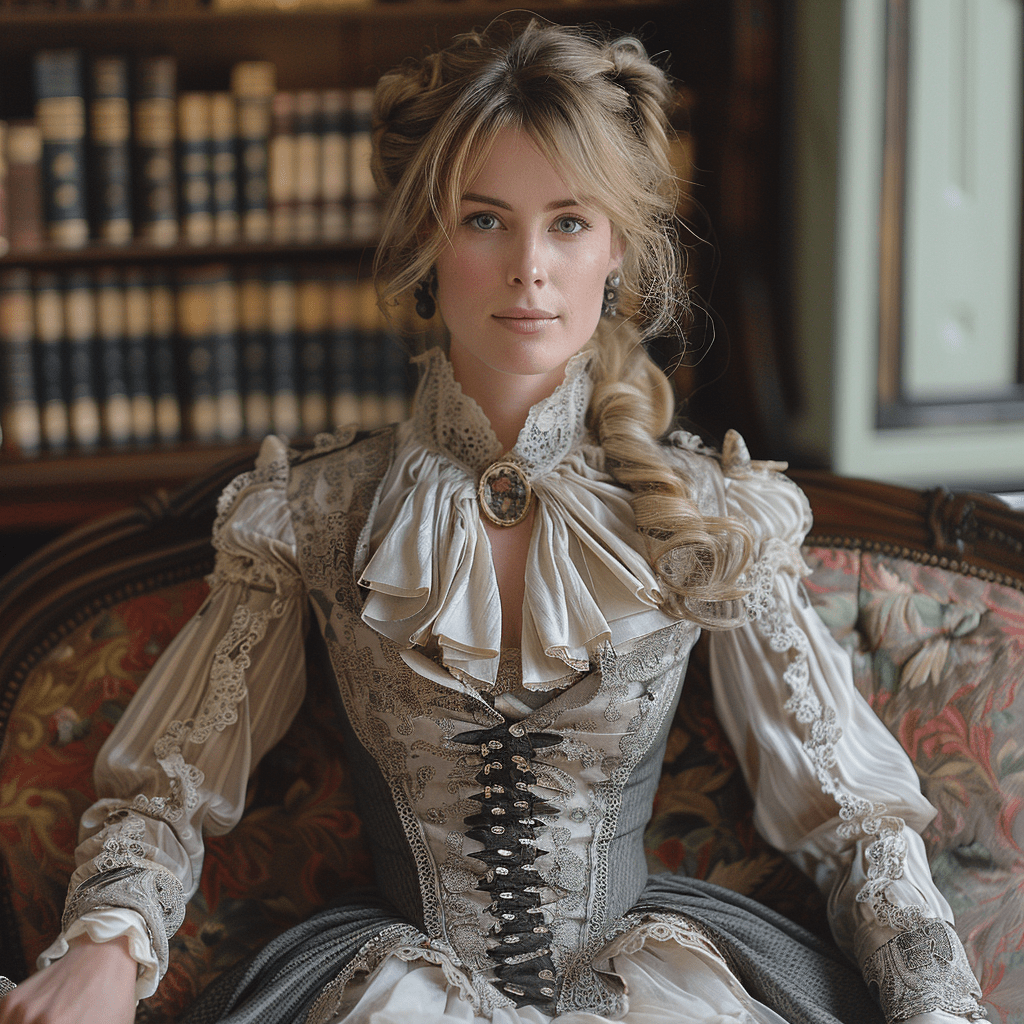
The publishing industry has been missing the mark in different ways for a very long time. This was more understandable in the past. Given the printing costs involved and the warehousing of unsold books, taking a chance on a new author or genre was risky. Now, with print-on-demand and e-books, there’s little reason to be…
-
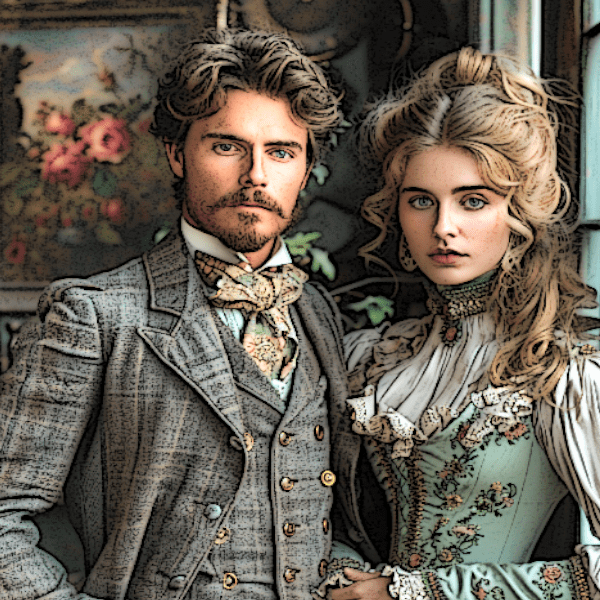
Shared Goals and Values: A romantic relationship flourishes when both partners have common goals, values, and aspirations. I love it when the two main characters are working together for a common cause. I love mysteries, and I’m a sucker for a good historical mystery where the female main character pairs up with a detective, and…
-

An editor in the R/writing sub Reddit asks the intriguing question, “Who are you writing for?” They went on to say that they’re not writing for themselves because their goal is for other people to read their work. I totally get that. And OP goes on to say that they’re not writing for others either…
-

Quality Time: Spending meaningful time together strengthens the romantic bond. Whether it’s through shared activities or simple moments of togetherness, quality time fosters a deep connection.Time spent together helps to build the romantic momentum in a novel. In historical romance, this is most easily done when the characters are thrown together during a house party.…
-
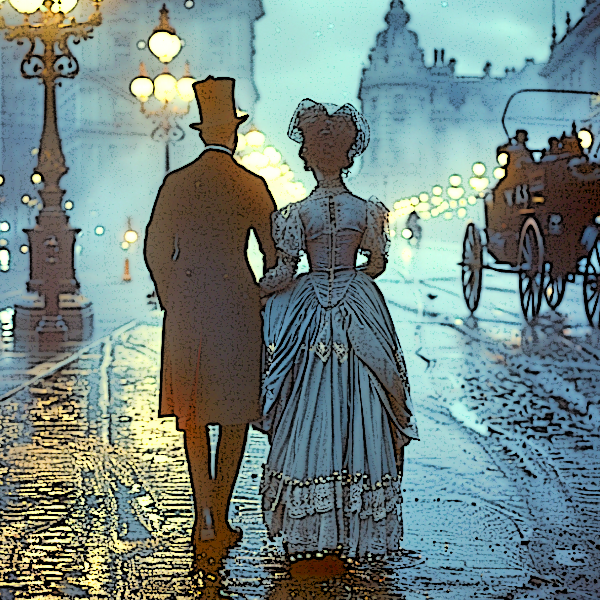
Surprises and Thoughtfulness: Thoughtful gestures and surprises demonstrate that partners are attentive to each other’s needs and desires. It could be as simple as a heartfelt note, a surprise date, or a small gift.This is such a sign of a true romantic, and it’s a pity that we don’t see more of it in historical…
-
This very interesting question was posed on Reddit: Can you be a good writer if you’re not reading?My vote is—no; you can’t unless you have superpowers. Yes, it’s difficult to juggle a writing schedule and manage time to read, but it’s certainly doable. I would say it’s essential. One brilliant answer to this question was…
-

Do readers like prologues or skip them? This question was asked in a writer’s forum I belong to, so the answers were from writers rather than readers. Some think that readers skip over prologues, mistaking them for a book’s forward, rather than understanding that the prologue is a necessary part of the story. Of course,…
Skip to content


