Leaving it all to the imagination

In one of my writer’s forums, the topic was- how much description does a reader want? The questioner disliked descriptive detail unnecessary to the plot, preferring to let their own imagination build the scene and populate the character attributes. 

I found this very interesting, and the commenters to this post either loved as much detail as possible or wanted the description at a bare minimum. Readers do have their own preferences that are not met by the writer.

I confess I love descriptions! They set the scene and fix the main characters in my mind, particularly if the details offered are important to the story. Description allows us to see the character’s or the author’s vision. If we strip it down too much, the reader will build their own world.

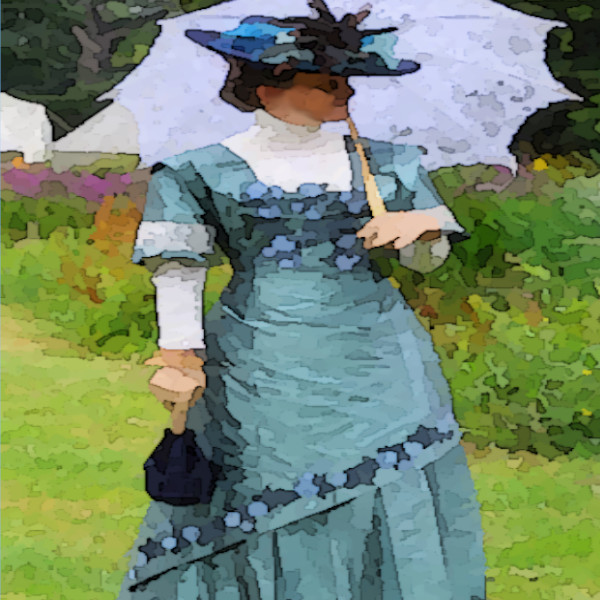
I enjoy detailed descriptions of minor characters that help to form an opinion of them. Is the character a stately older woman rather than greying and tired, or is she small and frail? Does the man show signs of dissipation through his sallow skin and ruddy nose or drooping eyes? Does a debutante have jewels laced through intricately styled, gleaming hair versus the untidy bun with curls escaping their pins? Are their clothes new and fashionable, or have they been altered from hand-me-downs? These details are important to build the character.

What the environment looks like is important, too. Sometimes descriptions will let you see the scene through the eyes of your character. Is the house tidy and kept clean by many unseen hands? Is the furnishing old and musty? I probably under-describe in my writing, resisting the urge to tell everyone what I am seeing in my imagination down to the last detail. This is the dilemma. 

In A Misalliance with Love, the state of Sir Gaylord’s house is important to illustrate his character. While the main character, Rosie, is refurbishing her house, and there is a lot of description which illustrates the fact that she is starting from scratch and building a home of her own. I resisted adding more description of that process and let Sinclair reveal it when he sees it for the first time. Later in the book, Sinclair sees his childhood home with fresh eyes as he gives Rosie a tour.

It is a matter of personal taste, and some of us want to know what flowers are blooming in the gardens and whether the manor house is shrouded in mist.

Four things are essential in a historical romance book, in my opinion: character, action, emotion, and ambiance, and I think all four should solidly build the scene. The ambiance is often neglected, I find.

In much of my writing, I give the reader the freedom to decide on the attire and physical appearance of many characters, presenting only essential details to enhance the setting and atmosphere. Is it too much or too little? That is for the reader to decide.
Rosie’s thoughts-A Misalliance with Love

“Rosie knew that she had said some things to him in anger, things that she regretted now. When she had asked him to leave her alone, she had not meant it in the way that he had taken it. But it seemed that he was too proud to reach out to her or too ashamed of her to even consider trying to make things right between them. She knew that he would never have chosen her as a wife if it were not for the horrible incident at the Sunderland Ball . . .”

Dinner scenes make me so hungry!

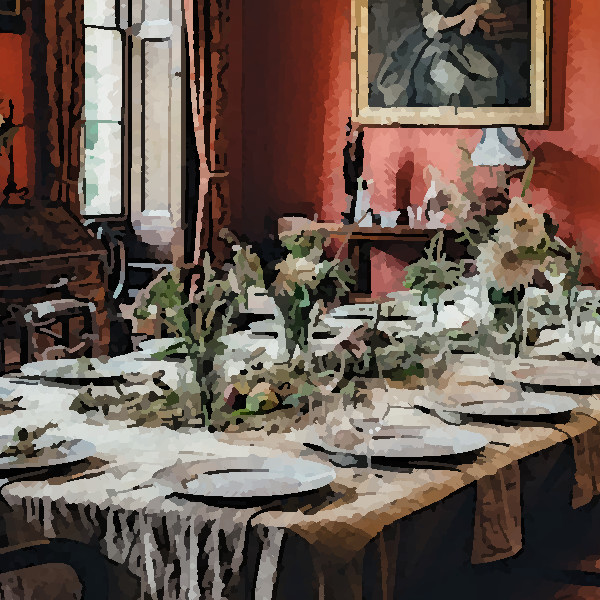
One thing I’ve noticed in historical romance novels is that the female main character rarely has a healthy appetite. Why is that? An author can describe a meal where course after succulent course is brought to the table, yet our heroine either has no appetite or has quickly lost it and ends up pushing food around her plate. Don’t these scenes make you hungry?

I confess that when I read these passages, I cringe. I want her to eat to her full and savor every bite and forget all the silly conversations that make her so nervous. Gorge yourself, girl!

Instead, she picks and prods at her food, sometimes not taking a single bite of a meal that sounds heavenly. This is the norm.
Just another little detail I never fail to notice.

I wanted more Figaro in the story!

“Figaro’s attention quickly shifted to the miniature wooden horse he had found in the nursery. He nudged her side in a gentle demand for attention, and she dropped to the floor beside him, the skirt of her pale green day dress billowing around her. Laughing, she attempted to wrestle the toy from his jaws.”

Excerpt From: Dee Harper Lewis. “A Misalliance with Love.”

Published this week!

Neither of them welcomes the attraction they feel, and a marriage is out of the question—until one fateful night. They are worlds apart yet are a lot more similar than they realize, and must find a way to reconcile their different dreams and create a life together.

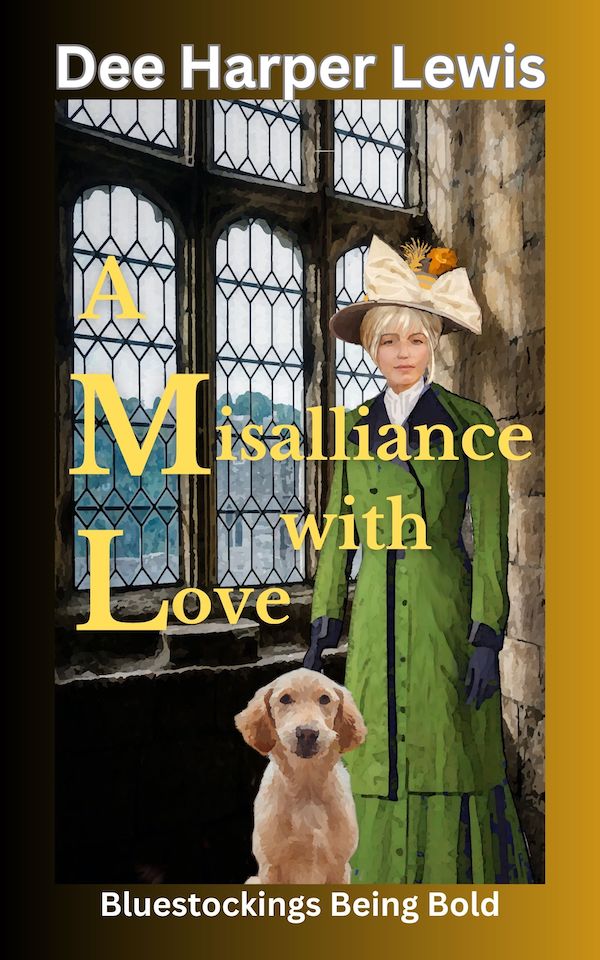
A Misalliance with Love was published on Amazon on July 1! YAY! It’s in the historical romance genre, about two people who are forced into marriage. The marriage kills their initial attraction because they think they are incompatible in temperament and ambitions. They are more alike than they realize and have quite a journey discovering this.

Summary: Rosamund Percey aspires to be a working woman and dreams of writing and illustrating children’s books. While she desires marriage eventually, she first wants independence. Meanwhile, she attends debutante balls and garden parties with her friends, catching the attention of a handsome but stodgy Marquess named Sinclair Talbot. Sinclair seeks a traditional wife to redeem his family name and support his diplomatic career, but he is drawn to only one debutante. Despite their initial resistance, a fateful night brings them together. They embark on a journey of discovery and must navigate their dreams to build a life together.

A Creative Journey!

What captivates me most in literature are the strong and independent female characters who navigate relationships with not only Alpha males but many different types of partners. This is my journey into Historical Romance. Through my books, I will explore love amidst adversity, emphasizing the challenges and possibilities that arise, and pose the timeless question of whether two individuals from different backgrounds can discover what they seek in one another.