Temptation-A Misalliance with Love

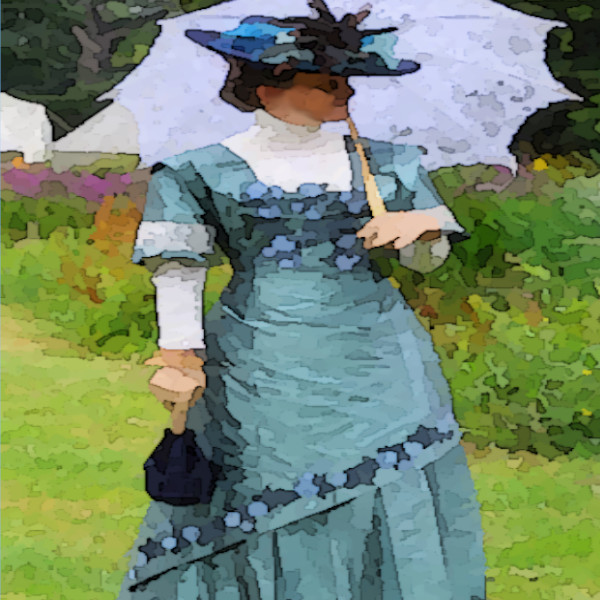
“Gazing out over the water meadow and the reeds blowing in the gentle breeze, she picked up her brush. Dipping the brush into the water in her jar and then into a tiny cake of paint, she passed swift brushstrokes over the page filling in light and shadows on the face she had sketched. She glanced back at Philip under lowered lashes.”

Excerpt From: Dee Harper Lewis. A Misalliance with Love.

The Wedding-A Misalliance with Love

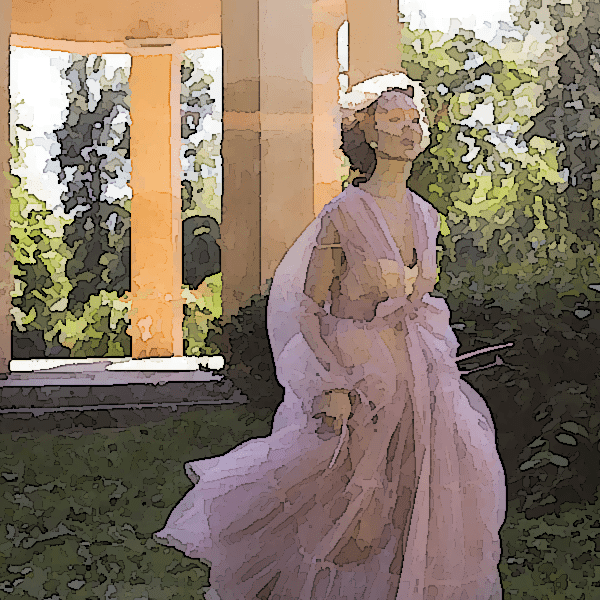
“After his eyes traced her movement down the aisle on her father’s arm, Alton seemed distracted and preoccupied, his attention wandering rather than focusing on the promise they were meant to share. Even when the exchange of vows and rings approached, his mind seemed elsewhere.”

Excerpt From: Dee Harper Lewis-A Misalliance with Love.

Sinclair sees Rosie for the first time-A Misalliance with Love

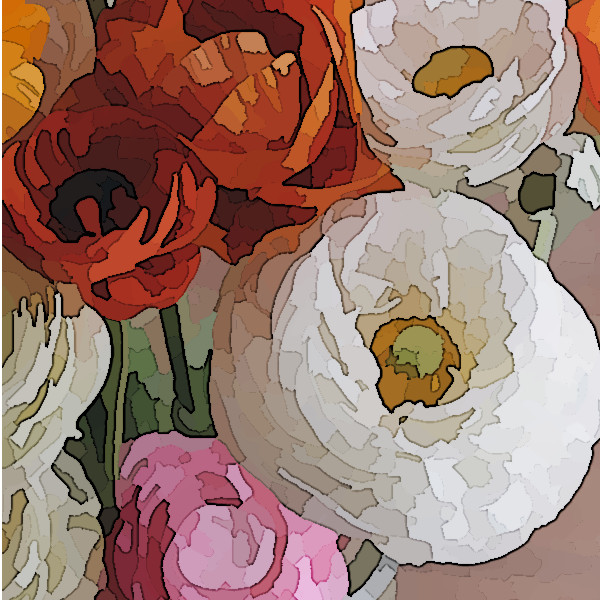
“His eyes swept the room, taking in the fetching bouquet of debutantes in their brightly colored afternoon party frocks. Their hues mimicked those in a garden—rose pink, mossy green, bluebell, lilac, sunflower yellow, and water blue. His eyes came to rest on the champagne curls of the girl sitting beside Lady Penelope Haverford.”

Excerpt From: Dee Harper Lewis-A Misalliance with Love.

Rosie and Sinclair-A Misalliance with Love

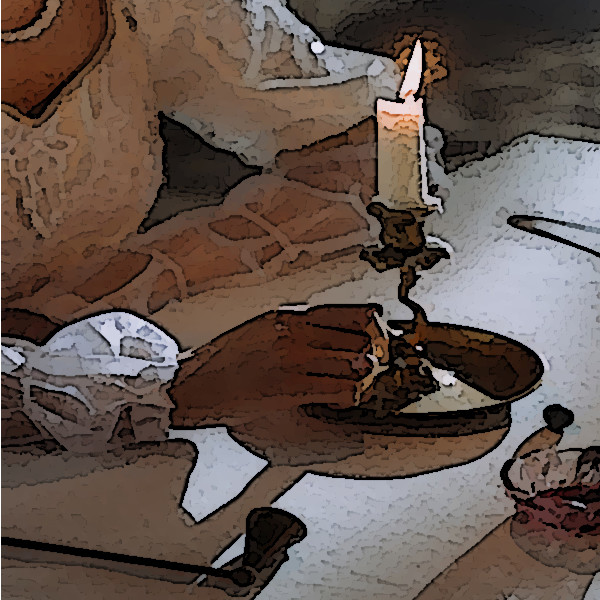
“After dinner, Rosie decided to introduce Sinclair to the intricacies of mahjong, and they laughed and engaged in friendly banter. Sinclair couldn’t help but notice how graceful her movements were as her slender fingers carefully placed her pieces. The wicked smile in her eyes and the champagne curls that escaped their pins and rested softly against her neck tempted him.”

Excerpt From: Dee Harper Lewis- A Misalliance with Love.

A writer’s dilemma: Motivation

Someone in a writer’s group posed the question – Does your main character need to have an intense motivation for something? What does your character want? The Op’s dilemma was that her character didn’t want anything – until the end.

It seems to me lack of clear motivation means the character is on a journey of discovery. Perhaps the character is running away from something rather than running to something.

That’s perfectly legit and quite good as long as the ultimate goal is hinted at along the way. We need that trail of breadcrumbs. The end goal shouldn’t seem like something pulled out of thin air. In the end, the reader should feel that what the character finally wants makes sense, given their history.

My characters have strong goals. In A Misalliance with Love, Rosie needs a home and family but has a burning, almost crippling desire for independence. Sinclair Talbot wants validation and esteem.

In my next book, Guinevere wants family, stability, and appreciation. The Duke wants hope and love.

Characters are motivated by their desires even if they do not yet know what those desires are.

Leaving it all to the imagination

In one of my writer’s forums, the topic was- how much description does a reader want? The questioner disliked descriptive detail unnecessary to the plot, preferring to let their own imagination build the scene and populate the character attributes. 

I found this very interesting, and the commenters to this post either loved as much detail as possible or wanted the description at a bare minimum. Readers do have their own preferences that are not met by the writer.

I confess I love descriptions! They set the scene and fix the main characters in my mind, particularly if the details offered are important to the story. Description allows us to see the character’s or the author’s vision. If we strip it down too much, the reader will build their own world.

I enjoy detailed descriptions of minor characters that help to form an opinion of them. Is the character a stately older woman rather than greying and tired, or is she small and frail? Does the man show signs of dissipation through his sallow skin and ruddy nose or drooping eyes? Does a debutante have jewels laced through intricately styled, gleaming hair versus the untidy bun with curls escaping their pins? Are their clothes new and fashionable, or have they been altered from hand-me-downs? These details are important to build the character.

What the environment looks like is important, too. Sometimes descriptions will let you see the scene through the eyes of your character. Is the house tidy and kept clean by many unseen hands? Is the furnishing old and musty? I probably under-describe in my writing, resisting the urge to tell everyone what I am seeing in my imagination down to the last detail. This is the dilemma. 

In A Misalliance with Love, the state of Sir Gaylord’s house is important to illustrate his character. While the main character, Rosie, is refurbishing her house, and there is a lot of description which illustrates the fact that she is starting from scratch and building a home of her own. I resisted adding more description of that process and let Sinclair reveal it when he sees it for the first time. Later in the book, Sinclair sees his childhood home with fresh eyes as he gives Rosie a tour.

It is a matter of personal taste, and some of us want to know what flowers are blooming in the gardens and whether the manor house is shrouded in mist.

Four things are essential in a historical romance book, in my opinion: character, action, emotion, and ambiance, and I think all four should solidly build the scene. The ambiance is often neglected, I find.

In much of my writing, I give the reader the freedom to decide on the attire and physical appearance of many characters, presenting only essential details to enhance the setting and atmosphere. Is it too much or too little? That is for the reader to decide.


Rosie’s thoughts-A Misalliance with Love

“Rosie knew that she had said some things to him in anger, things that she regretted now. When she had asked him to leave her alone, she had not meant it in the way that he had taken it. But it seemed that he was too proud to reach out to her or too ashamed of her to even consider trying to make things right between them. She knew that he would never have chosen her as a wife if it were not for the horrible incident at the Sunderland Ball . . .”

Dinner scenes make me so hungry!

One thing I’ve noticed in historical romance novels is that the female main character rarely has a healthy appetite. Why is that? An author can describe a meal where course after succulent course is brought to the table, yet our heroine either has no appetite or has quickly lost it and ends up pushing food around her plate. Don’t these scenes make you hungry?

I confess that when I read these passages, I cringe. I want her to eat to her full and savor every bite and forget all the silly conversations that make her so nervous. Gorge yourself, girl!

Instead, she picks and prods at her food, sometimes not taking a single bite of a meal that sounds heavenly. This is the norm.
Just another little detail I never fail to notice.

I wanted more Figaro in the story!

“Figaro’s attention quickly shifted to the miniature wooden horse he had found in the nursery. He nudged her side in a gentle demand for attention, and she dropped to the floor beside him, the skirt of her pale green day dress billowing around her. Laughing, she attempted to wrestle the toy from his jaws.”

Excerpt From: Dee Harper Lewis. “A Misalliance with Love.”