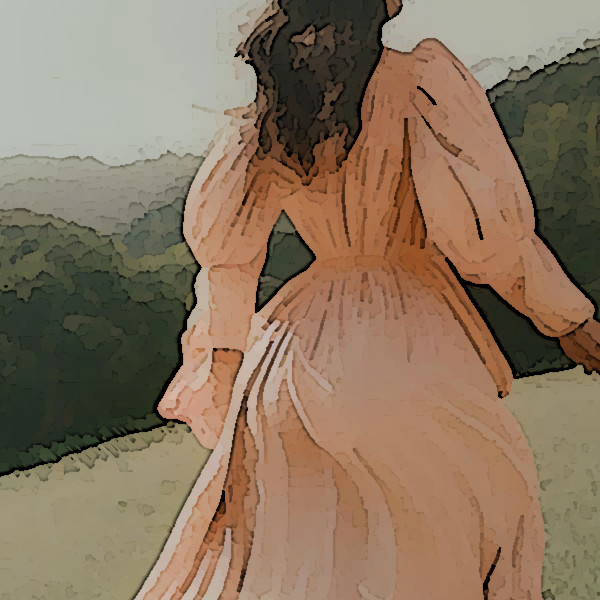
Rosie and Sinclair – A Misalliance with Love

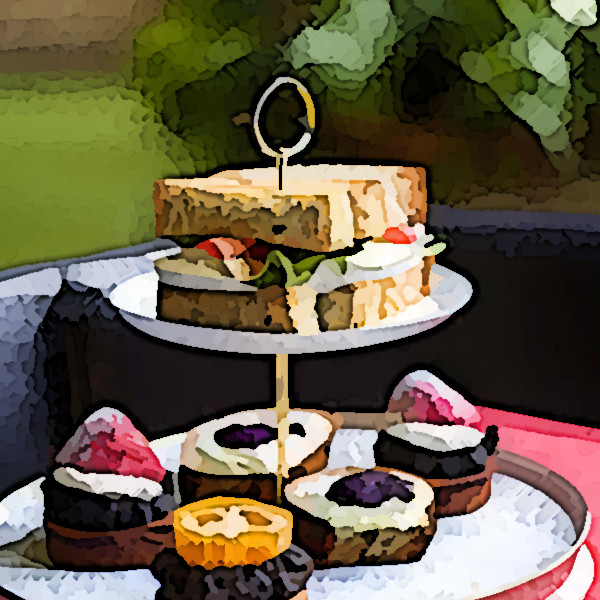
“He offered her his arm, and they descended the terrace steps to the long table where sandwiches and cakes had been set up. A footman handed them their cups, and Rosie tilted forward to survey the delicious food arranged on platters. She selected a cucumber sandwich and munched on it with gusto. He thought that her lack of refinement would not do her any favors, and she did not seem to be conscious of it—or to care.”

Excerpt From: Dee Harper Lewis. “A Misalliance with Love.”

A Misalliance with Love: Ely Cathedral

“The weather was perfect, with the sun shining bright and a cool breeze blowing. Rosie felt exhilarated as she kept pace with the more experienced riders, and they galloped through the vast expanse of marshy flatlands, the soft ground cushioning their horses’ hooves.

It did not take them long to reach Ely, and they stopped in view of the town to admire the grandeur of the towering cathedral, majestically rising above all else in the distance. ”

Excerpt From: Dee Harper Lewis. “A Misalliance with Love.”

Rosie is his target – A Misalliance with Love

Rosie’s choice to live apart from her husband means that she faces unwanted attention for another man.

-A tumult of disordered thoughts raced through her mind. She recalled the intense fear that had gripped her when Sir Gaylord had come too close to her during the estate sale. As she had moved from one room to another in the vast house, he had trailed her, and she had sensed that he was stalking her. Even now, her fingers dug into her arms as she struggled to keep her panicky thoughts under control.-

A Misalliance with Love

Image generated by Canva and digitally manipulated.

At the Theater-A Misalliance with Love

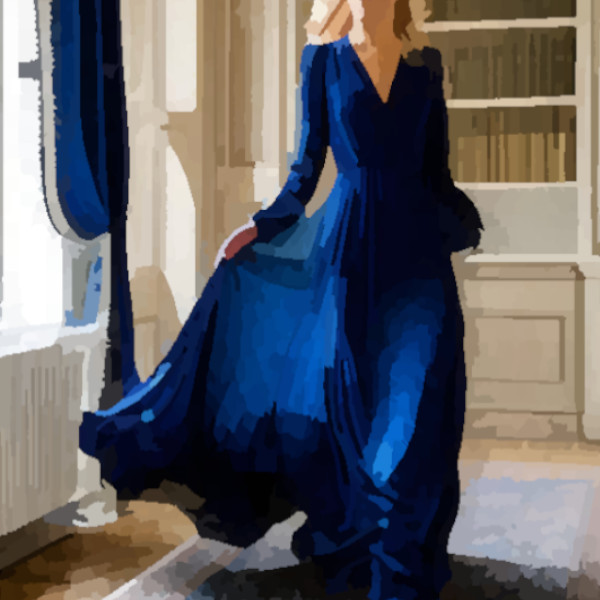
“As they ascended the grand staircase and found their box, she could feel the excitement building around them and eagerly anticipated the beginning of the play.
Lowering herself demurely into a seat and opening an ornate Chinese jade fan, she turned to Alton, aware of the eyes of society upon her.
Since signing the marriage contract, they had not laid eyes on each other, and on that occasion, she had been in a fit of pique. She could not help but smile, remembering the look on Sinclair’s face when it became clear she knew exactly what she wanted and was brave enough to ask for things that her father would never have asked for on her behalf.
“What are you thinking?” Alton glanced down at her curiously, puzzled by the expression on her face.
“I was thinking of our upcoming marriage,” she replied, then a wrinkle formed on her brow. He must think she meant . . . what comes after.
“Are you unhappy with this marriage?” He had seen her hesitate, and a frown and brief flare of disappointment passed over his face.

Excerpt From: Dee Harper Lewis. A Misalliance with Love.

Image generated by Canva and digitally manipulated.

A writer’s corner: Big red flags

In the writer’s forum I belong to, a writer posed the question: What are huge red flags, no-nos, or just downright cringe-worthy things you have identified in books or manuscripts you’ve read?
There were some great answers. The OP revealed that they dislike books with too many characters that remain undeveloped. I second that. Knowing the backstory of secondary characters and the motivations behind their action can bring the story to another level.
Many writers admit that they dislike certain tropes, and for some, the biggest pet peeve was unrealistic dialogue that ‘explains’ too much: info-dumping.
A detailed description of a character’s physical features that are baldly written was mentioned, or when characters are stereotypically perfect.
My biggest pet peeve is setting up a character’s personality, history, and traits and then having them behave completely out of character in order to advance the narrative. E.g., the character is lauded for their intelligence, which surpasses all others, and they proceed to make one dumb decision after the next to move the story along. Or they are rational people who are suddenly, stupidly made incoherent by lust. Just.not.believable.
Contrived activities that are not credible but are added in order to elicit a certain behavior from the character also get my goat.

What is cringeworthy for you?

A writer’s corner: Characters

An author in the Reddit writers group I belong to posed the question: “How do you develop characters?
They had a method to develop characters concentrating on four things: The character’s function, personality, physical attributes, and family background.

Many writers responded, some revealing that they concentrate on backstory first, others stating that they jump right into the scenes and let the character develop organically, a kind of character role-playing.

One author had a very different approach. They decided on a ‘theme’, which they likened to a ‘mission statement’ for the book. And then, they determined the types of characters that would support the theme. I love this approach and will definitely try it sometime.

Right now, my approach is very close to the OP’s, except that I don’t care what the characters look like unless they have a feature that’s important to the story. Function and personality are key, and I spend a lot of time figuring out what kind of childhood or life experiences the character had in order to become who they are. I do this for minor characters also, even though their backstory may just be hinted at in a sentence or two. The backstory of every character informs their dialogue and actions. With this approach, I make sure they are never acting out of character.
It was very interesting to read about different approaches and what works well for other writers.

Character inspiration

Once in a while, you see something that screams for a book to be made or a movie to be written about it. I saw this clip on Reddit and want to create a character as badass as this woman. What would her backstory be? How would she meet her love interest? My writing focuses on the Victorian era, but I will do post-WWI just to have characters like this.

She belonged to the Thirteen Black Flying Cats, and they deserve their own miniseries.

Sir Gaylord-A Misalliance with Love

“It was a dangerous game. One that required reckless confidence and one he was bound to lose sooner or later. He must have chosen his victims carefully not to have found himself up against an enraged husband before now. Well, he made a grave mistake choosing Rosie as his next victim.”

Excerpt From: Dee Harper Lewis.-A Misalliance with Love.

Image generated by Canva and digitally manipulated.

A writer’s dilemma: Being in love with our characters

An author in a writer’s forum posed this dilemma.

“I’m too in love with my characters and it’s causing me to overwrite. This is my first romance novel. I can’t stop writing the cute things they do together. They both have too many habits, quirks, back story moments, and so on. And I want to share them all with the reader . . . “

I understand this dilemma completely. This is what I faced when writing A Misalliance of Love. The main character, Rosie, has a backstory and family history that is just as interesting as the direction her life takes after graduating from Swarthmore Academy for Young Ladies. I wrote a lot about it, and after editing much of it out of the book, I still gave more than the usual amount of time to her history.

Her parents married under pressure: her mother to save her reputation after being compromised and her father to be prevented from marrying an opera singer. Misery ensued, and after the death of her mother, Rosie was shipped off to Hong Kong to live with an uncle in the Admiralty. I rarely read about characters that were raised in expatriate communities and would have loved to write more about her childhood overseas. So many words, so little time. I think a prequel might be necessary to bring Rosie’s story to readers.

It is a dilemma when you build your character so thoroughly that they almost seem real. You want to talk about them and share the quirks and nuances of their personalities. This is something I enjoy in the books I read. I want to know about the childhood that made the character into the adult they are, and I am happy to have quite a bit of time spent on their history.

But how much is too much information? Many readers want to move to the action immediately, and there are writers who are formulaic about when that should happen.

I confess I ignored all of that advice when writing my own book. I talk about my characters and their history quite a bit before moving on to the action. I’m doing the same in my next book and the characters of Ginny and Hugh.

Too much? Too little? What do you think? I hope my readers let me know.

Image: generated by Canva and digitally manipulated.

Approaching Sir Gaylord-A Misalliance with Love

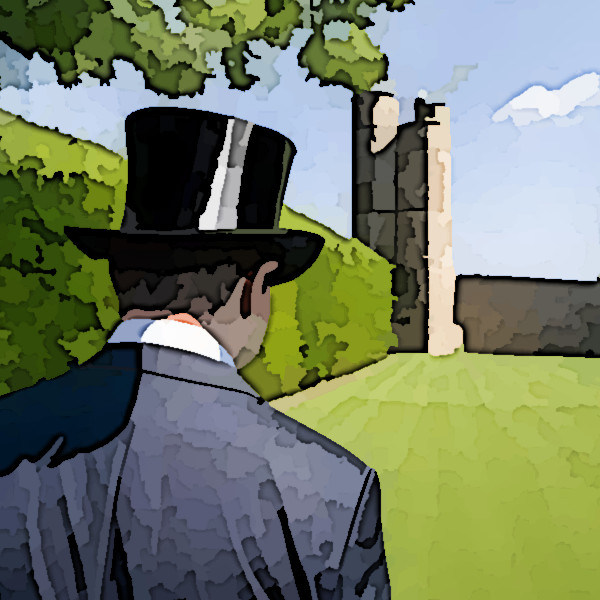
“Gaylord’s was the type of grand country house built in the pleasing red brick style of the middle of the previous century. Sinclair had passed neatly tended formal gardens and spied numerous outbuildings as he approached the residence. The exterior was symmetrical, with a central front entrance and evenly spaced windows on either side. Modest in size but impressive, the home reflected the wealth and status of its owner.”

Excerpt From: Dee Harper Lewis-A Misalliance with Love.

Image generated by Canva and digitally manipulated.