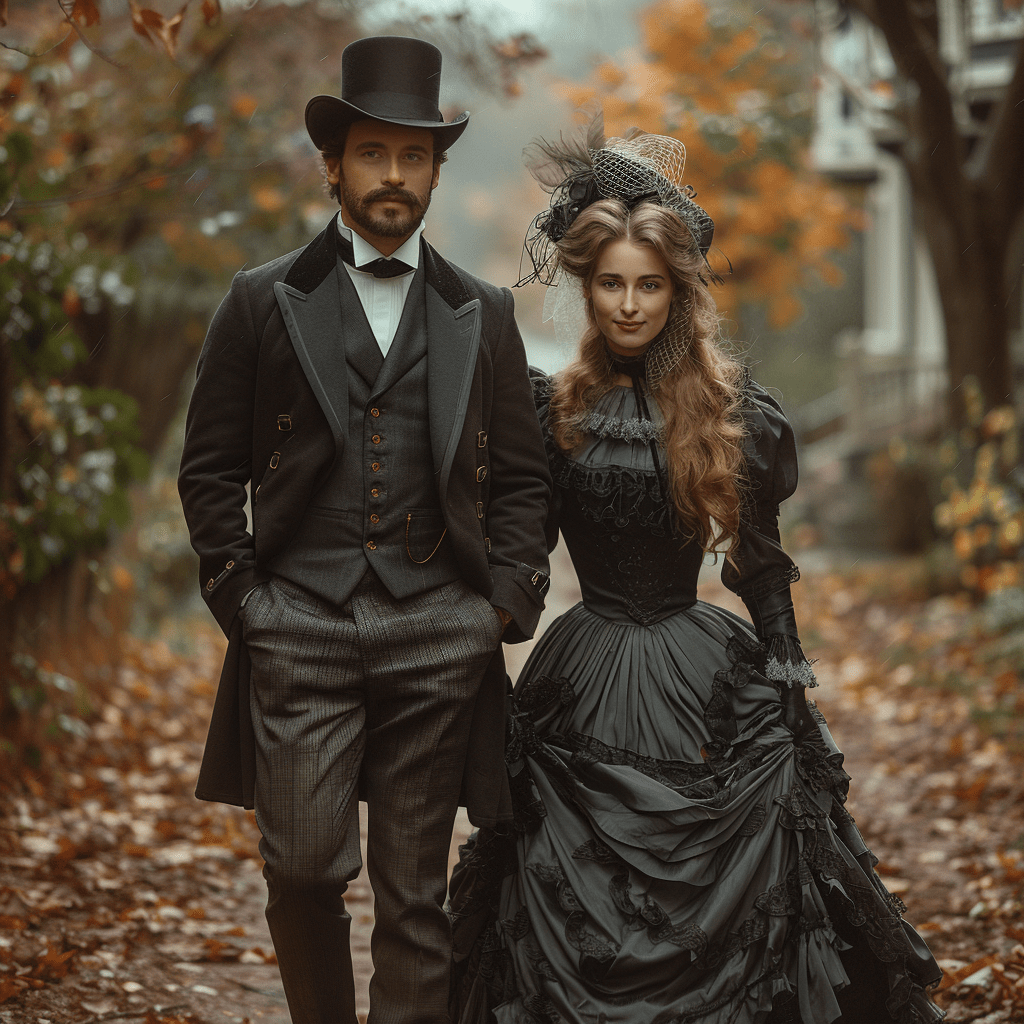
A Sudden Fortune

After a short break, I’ve started tackling my fifth novel, ‘A Sudden Fortune’. 

Abandoned in her youth, Claire Hastings has inherited a fortune from a guardian who rescued her from a convent. The riches are hers with one caveat – she must share the fortune with the impoverished Marquess of Kingston.

Of course, the new-found wealth is more of a burden than a blessing for a girl who has been a social pariah all her life. When the aristocratic family that abandoned her appears to claim the fortune, Claire’s troubles begin. A half-brother, step-brother, father, and a dowager Countess insinuate themselves into her life, and she discovers her origins and the reasons why she had been placed in a convent at an early age. 

Nelson Ridley had been holding his impoverished family together – just barely. With a mother, sister, and four nieces and nephews to support, he remains on the outskirts of society, earning a living writing stories for several popular periodicals. 

The Ridley household, with their unexpected fortune, find themselves thrown into the whirl of the Season, and Nelson is suddenly one of the most eligible bachelors in London.

None of the beautiful, wealthy debutantes tempt him. His heart is captured by the friendless, socially awkward woman whose inheritance has changed their lives. They become fast friends, and each yearns for more. . .
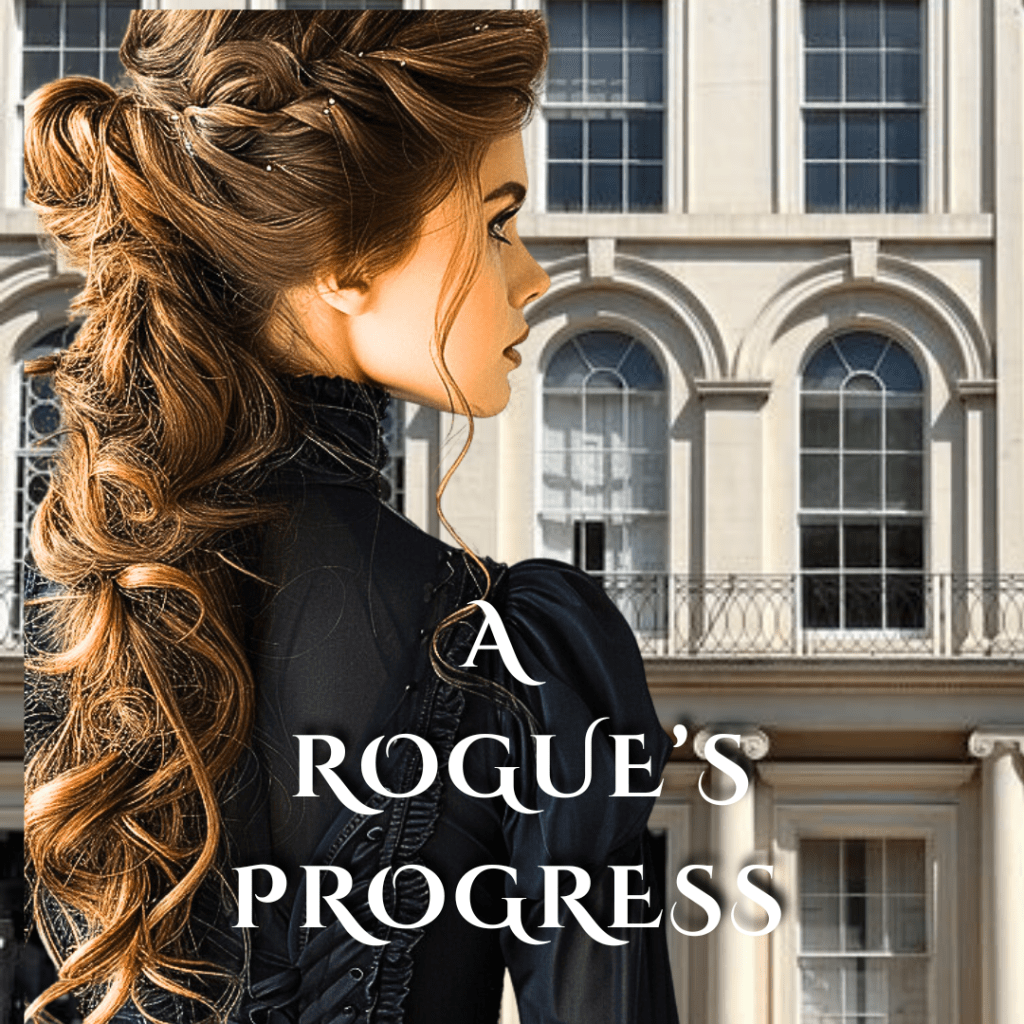
A Rogue’s Progress

An enemies-to-lovers Victorian romance. 

She’s a debutante searching for a husband. He’s a gambler chasing redemption. When their worlds collide over a family inheritance, sparks fly, secrets unravel, and desires ignite. In a game of love, luck, and betrayal, who will come out on top—and at what cost?

After six long years of schooling, Eleanor Bucknell is more than ready to enjoy a London Season and a chance for flirtation, love, and marriage. There’s just one problem—her impulsive and greedy brother has gambled away the family properties and is bent on arranging a prosperous marriage for her. With her plans thwarted at every turn, Ellie determines to make her own way in life, all the while plagued by thoughts of the rakish son of an earl who now owns the Bucknell property.

Casper Whittaker is a gambler and a rogue who feels no remorse when relieving fools of their property at the gaming tables. Besides, he is on a mission to redeem himself in the eyes of his father for his role in the tragic event that took his older brother’s life. Winning the Bucknell properties was the chance he needed to make a new life for himself—even though the plight of the feisty young debutante tugs at his heartstrings. 

Ellie never expected her greatest adversary to be the one man who could steal her heart. When a fiery clash of wills ignites between her and Casper, their undeniable attraction becomes impossible to ignore. But with her brother’s devious schemes threatening to tear them apart, will love be enough to overcome the odds?

This is a closed-door, sweet romance.

Rags to Riches

This is a very popular historical romance trope in which a character rises from humble beginnings to wealth and status, often finding love along the way. It can also involve someone losing a fortune and regaining it.

I tend to like this story arc because it can take so many directions. Often, we have the male main character, our hero, growing up in poverty or having been expelled from his family. He not only makes it on his own but becomes enormously wealthy in spite of all obstacles. Of course, then you have the female character who appreciates his ambition and courage and falls in love with him despite his wealth.
We sometimes find the female main character receiving a vast inheritance, then struggling to protect it from family and potential suitors who would go to any lengths to get their hands on it. And, of course, the male lead character is the one to save her from swindlers and rakes.

I just finished a Regency Romance in which the hero must marry for money and is engaged to an appropriate candidate for that purpose. Unfortunately, he falls in love with an impoverished wallflower instead. They both resist, but in the end, he breaks off his engagement to marry for love. Only then do they discover that she is really an heiress. Yes, it was predictable, but it was sweet and engrossing nonetheless.

I suppose that’s the nice thing about historical romances that follow certain tropes. You know what you will get, and that’s an HEA every time.

Image AI made by MidJourney

Popularity of the Arranged Marriage

Historical romance novels often feature wonderful tropes. The Arranged Marriage is one of my favorites, where characters are forced into a marriage for political or social reasons, leading to unexpected love.

There’s something about women being forced into marriage in times past that I find equally horrifying, angering, and fascinating.

It makes one wonder what we would do if we had so little autonomy that another person could direct our lives in such an egregious way.

One of the reasons I like this trope in historical romance is that the story arc can go in so many different directions. The heroine can begin hating her husband and gradually fall in love with him. She can try to escape the marriage by running away, aided by her true love. Some other noble hero can swoop in and spoil the marriage plan by rescuing her.

The heroine can try somehow to invalidate the marriage or foil her parent’s plot by making her fiancé withdraw from the contract, as was done in the latest season of Bridgerton. Cressida’s move to discredit herself was brilliant.

I recently read a fun historical romance in which friends of the prospective bride and groom foiled two different prospective marriages. That was a very unusual take on this very popular trope, and a lot of fun.
Of course, I had to try my hand at this. So, in my second novel, Marry Me, Duke, I decided that the arranged marriage would be orchestrated by the heroine, Ginny, rather than an authority figure. She arranges her own marriage in order to escape from a life of forced caregiving.
And, of course, there is resistance, and problems arise. A love between the couple grows, and there is a happily ever after. Marry Me, Duke is now on Kindle Unlimited; if you like this trope, you should check it out.

Image AI made by MidJourney

It’s Finished – Looking for reviewers

Hello, lovely readers.
I have just completed my third historical romance novel. It is an Impossible Love trope.

If anyone is interested in being an ARC reader, here is the signup sheet.
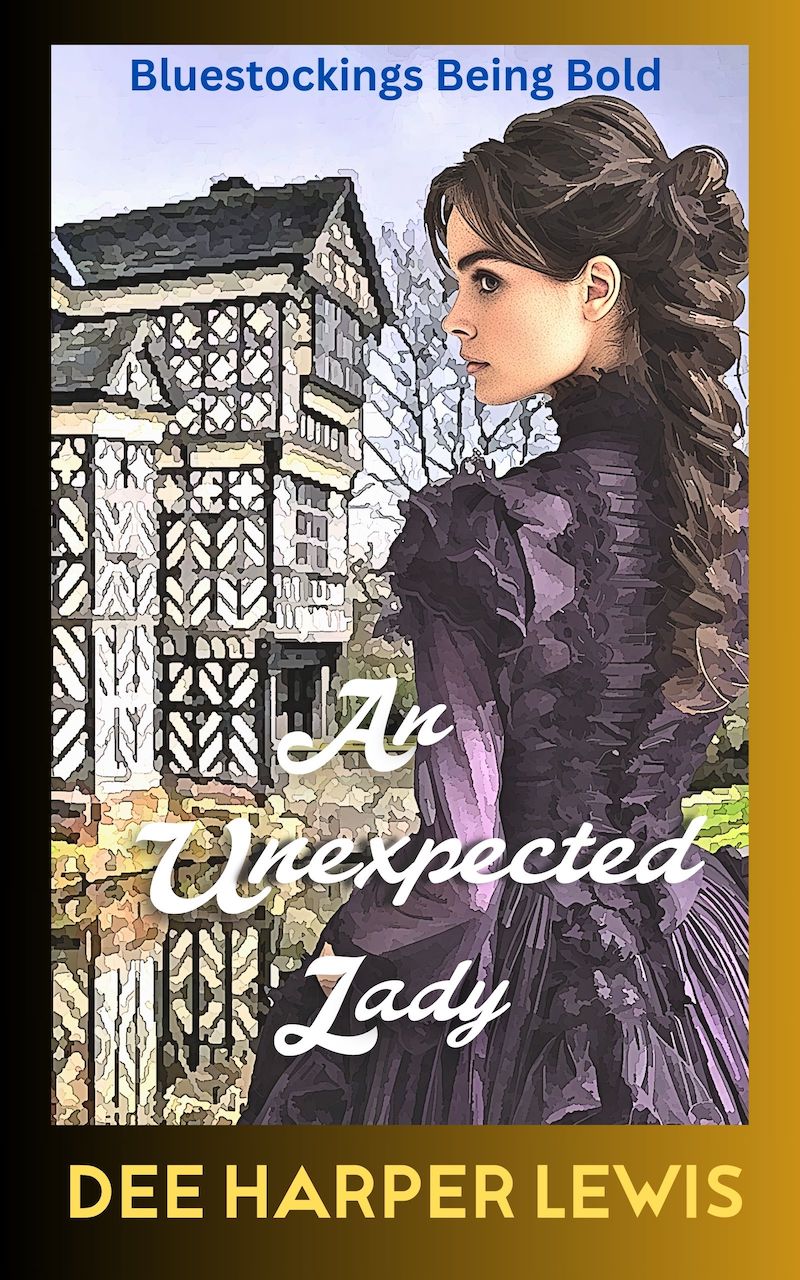
Summary: An Unexpected Lady

She has a history to discover, and he has a mystery to unravel and a family to protect. Their love is thwarted by the sins of the past. A shy and awkward beauty unsure of her past, Charlotte Winterbrooke struggles to resist the man she is falling in love with. She will not commit to him until she finds out the truth of her birth—a scandalous truth that will destroy all chances of remaining in society and making a good marriage. Hopelessly in love with the bumbling beauty who he is sure is out to destroy his godfather’s family, Maxwell Shockley is in a losing battle to protect his loved ones and resist the beguiling temptress who he can not live without. With blackmail, scandal, and secrets surrounding them, can Charlotte and Max protect their deepening love and have a future together?
This is a fade-to-black romance with a Spice level 1.
TW: contains references to early childhood abuse.

SIGNUP SHEET

Happy Reading

What makes a relationship romantic?

Trust: Trust is the foundation of a romantic relationship. It’s essential to feel secure and confident in your partner’s commitment, loyalty, and reliability.
I recently finished a Cara Devlin novel, ‘Nature of the Crime’, and one of my favorite scenes came near the end, where the main male character rescues the female main character. Even though it wasn’t expressed, I had such a strong sense that she wholeheartedly put her trust in him. He would find a way to help her, and she was not surprised when he did. This is a point in most romance novels that I find hopelessly romantic.

Excerpt from a deleted scene Marry Me, Duke

“He slipped the ring onto her finger, sealing their promise and giving her a light kiss, and then the pressure was gone, and her lips were cold from his absence.
As she walked out of the chapel, hand in hand with her new husband, he glanced down at her with that same impassive and steady look in his eyes. “It’s for the best,” he said, perhaps seeing her doubt. “I promise you. We will make it work.”
He sounded as though he were trying to convince himself, and deep within her being, she knew that Hugh’s love for her was fragile—if it existed at all. In that instant, a chilling realization struck her, unraveling the dreams she clung to—she was on the brink of a grave mistake.”

What makes a relationship romantic?

Respect: Mutual respect is key to a romantic relationship. Each partner should value and appreciate the other’s opinions, boundaries, and individuality.
My favorite historical novels are those where the main male character goes against societal norms in that he actually respects the main female character. If he admires and supports her, all the better. Yes, this is atypical for the time periods that I read and write in, but this is a trait that makes you absolutely fall in love with the hero.

A Writer’s Corner – Writing Love Scenes

The love scenes are the most difficult scenes to write. In my books, I thought I handled the emotional part of desire very well but did not handle the Instalove and obsession well at all. This is so much a part of the romance genre, and it has always felt very unconvincing to me. It is very juvenile, yet it is so popular.
My characters are more ‘mature’ in that they don’t fall in love immediately. They are attracted, intrigued, and often baffled by this. There is a lot of wariness and uncertainty until the very end.
It’s hard to identify the moment when real love happens. We don’t even see when that happens in real life, so how can we capture that moment in a novel?
There’s a scene in my most recent novel, Marry Me, Duke, where the female main character all but begs her new husband to make love to her. That was such an enjoyable scene to write. For one, you don’t often see this in historical romance novels. Her lust and curiosity seem very real to me—as is his rejection. When they finally do make love, she takes the lead at first. And after that point, he gradually falls in love with her. That, to me, felt more realistic than Instalove/lust would have.

What makes a relationship romantic?

Affection: Expressing affection through gestures, words, or physical touch helps maintain the romantic connection. Small acts of kindness and affectionate behaviors contribute to a loving atmosphere.
Affection is expressed in so many beautiful ways in historical novels. The casual brush against a woman’s hand, tucking wayward curl behind her ear, and gifts of flowers are very common in these novels and are fraught with meaning.